
In the world of Electrical Engineering, "Earthing" is not just a safety requirement - it is an essential shield that protects lives and equipment from potential hazards. Earthing, or grounding, involves connecting exposed metallic parts of electrical systems directly to the earth, creating a low-resistance pathway for fault currents to safely disperse into the ground.
This seemingly simple mechanism is critical in managing fault currents and providing a dependable layer of protection for everyone and everything involved.
Earthing: More Than Just a Fault Pathway
At its core, earthing does more than simply direct current away; it stabilizes and safeguards. During electrical faults like short circuits or insulation failures, there is an immediate risk of exposed surfaces becoming live, potentially causing electric shocks or fires.
A solid earthing system addresses this by creating a safe, predetermined route for fault currents, helping protect individuals interacting with equipment under fault conditions.
The Technical Side: Step and Touch Potentials
Earthing's safety impact goes deeper with its role in managing Touch Potential and Step Potential - two critical considerations in preventing electrical shocks. Touch Potential refers to the voltage difference a person might experience when touching grounded equipment during a fault, while Step Potential is the voltage between their feet as they move across a surface energized by a fault.
Effective earthing systems account for these factors by limiting current exposure to safer levels, especially in high-voltage environments like substations. Another key factor is Earth Potential Rise (EPR), which can pose serious risks by elevating local ground voltage near a fault. A well-planned earthing design minimizes EPR and supports both safety and system resilience.
The Backbone of Substation Safety
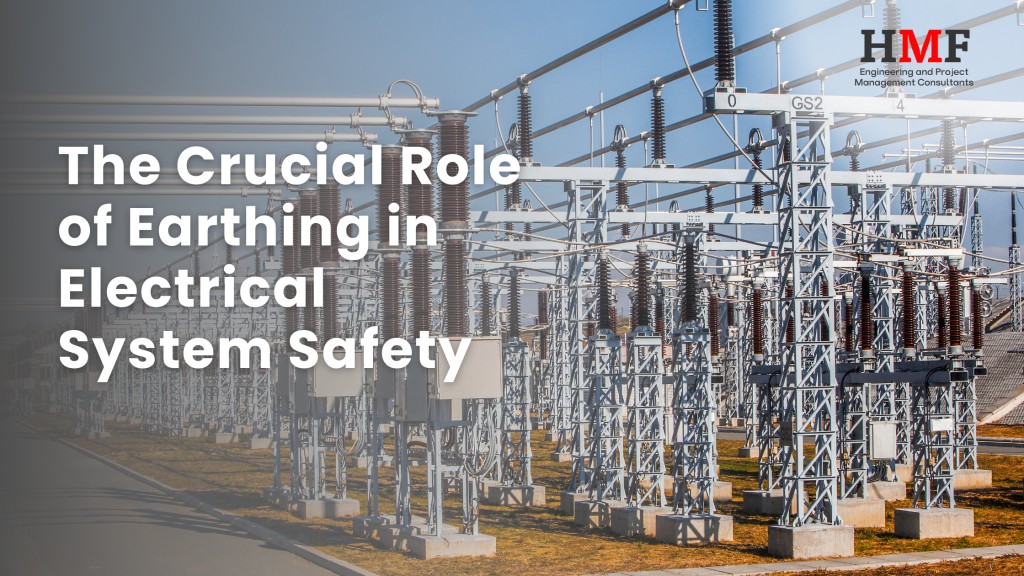
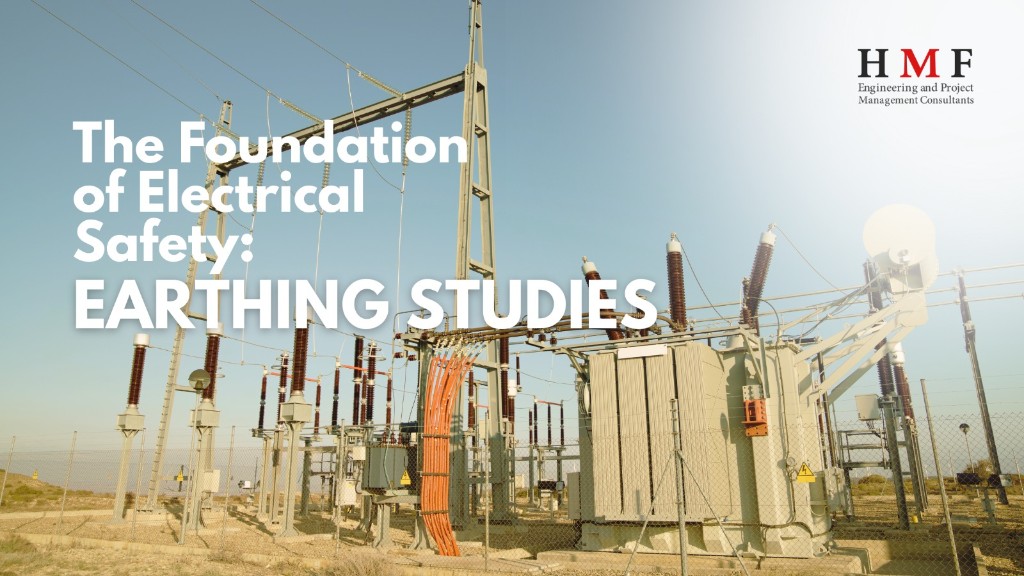
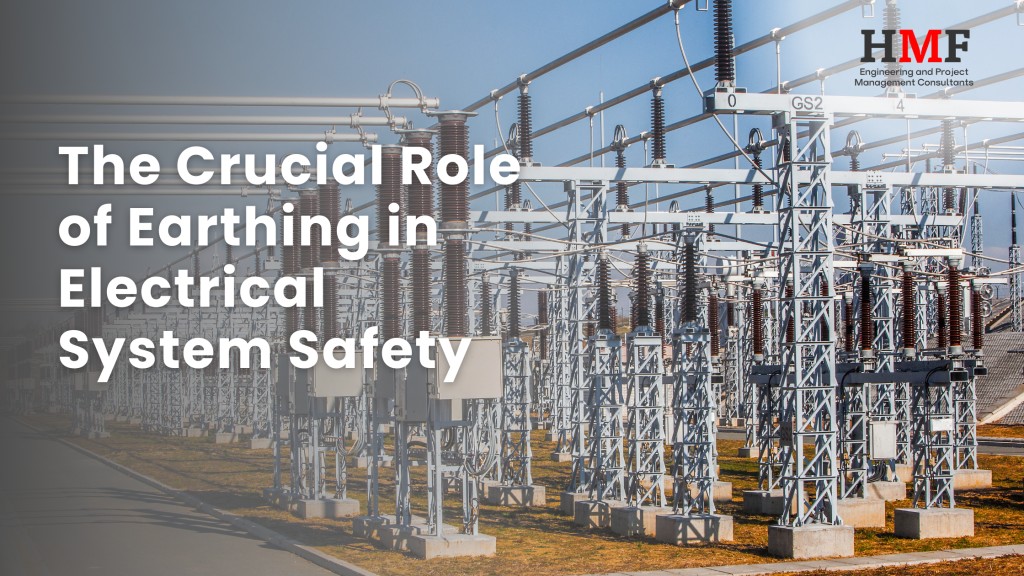
Substations are complex environments where reliable grounding becomes the backbone of operational safety. In these high-voltage networks, earthing ensures that fault currents - from internal faults to lightning strikes - disperse safely into the ground, protecting both equipment and personnel.
Without a robust earthing setup, substations face greater risks of shock exposure, equipment failure, and prolonged outages. Beyond basic ground connections, an optimized earthing grid, strategic conductor placement, and effective use of ground rods strengthen a substation's ability to handle extreme fault conditions and maintain reliable power transmission.
Earthing System Diagram

Conclusion: Building a Safer Electrical Future
Earthing is not just a technical formality; it is the silent guardian that ensures safety, reliability, and resilience within electrical systems. A quality earthing system manages fault currents, stabilizes voltage, and protects both people and equipment, ultimately safeguarding the broader electrical network.
Investing in strong earthing measures today means investing in a safer, more efficient future. When it comes to electrical safety, earthing is more than a practice - it is a commitment to long-term protection and peace of mind.
Comments (3)
-
Ali Raza 1 day ago ReplyStrong article. The explanation of earthing as a safety and system-stability measure is clear and very practical for substation projects.
-
Agreed. The section on touch and step potential explains why detailed earthing design is essential, not optional.
-
-
Helpful coverage of EPR and fault-current behavior. This is the kind of guidance teams need during early design and safety reviews.
-
Exactly. The emphasis on grid layout and conductor placement is especially relevant for high-voltage sites.
-
-
Great reminder that earthing protects both people and assets. Clear, concise, and easy to share with project stakeholders.